Speakers and microphones
Sensitivity, placement, openings, amplifier, pickup and feedback are tested in the product form.
Toy audio-system engineering
Send duration, languages, triggers, speaker or microphone needs, enclosure and power. We map assets, storage, signal path, firmware and production tests before the full content pack arrives.

Files + storage + signal path + enclosure + test
A simpler start
A sketch, character, specification or reference product is enough for an initial feasibility review.
Clear portfolio role
Own the specialist engineering problem of audio capture, storage, playback, triggering, acoustics and multilingual integration.
Recording and localization appear only when actually managed; the property remains audio-system specific rather than a duplicate electronics catalog.
What this team solves
Every capability below connects to the same brief, approvals and target launch.
Sensitivity, placement, openings, amplifier, pickup and feedback are tested in the product form.
Duration, codec, bitrate, memory, update method, boot behavior and content indexing form one architecture.
Buttons, pages, cards, sensors and firmware states map to exact files and playback rules.
Soft bodies, cavities, vents, seals and materials change loudness, tone, muffling and microphone pickup.
Scripts, pronunciation, voice, filenames, language switching and approvals stay version controlled.
Programming, file verification, trigger checks, speaker output and microphone behavior enter the fixture plan.
Buyer advantage
The system brief ties every script, file, language, trigger and firmware ID to the real speaker, microphone, enclosure and test method. That shared map prevents content chaos at pilot production.
Plan My Audio SystemApproval-led process
The next stage starts only when the current product decision is documented well enough to protect cost, quality and schedule.
Define the user, environment, product behavior, target market, quantity and launch constraint.
Resolve the product architecture and the assumptions that materially change feasibility or cost.
Test the highest-risk interaction with enough real content and materials to support a decision.
Lock the specification, acceptance criteria, production tests, packaging and ownership schedule.
Use a controlled pilot, inspection plan and versioned files to protect scale-up and delivery.
Interactive buyer tool
Enter finished minutes, languages, bitrate, trigger method, speaker, microphone and enclosure, then add your details. Send once and we reply with the asset count, the storage allowance and the integration questions still open.
Set the content and hardware assumptions, then add your details. One send returns the asset map and reaches our audio engineers.
Working recommendation
One send returns this asset map and reaches our audio engineers. It is a planning aid, not a final engineering, cost or compliance decision.
Representative project patterns
These anonymized patterns demonstrate scope and process. Customer names and measured results require publication permission before indexing.

Scripts, language packs, storage, triggers and firmware IDs controlled through one content map.
Review the decision path
Speaker placement and microphone pickup adjusted around filling and removable access.
Review the decision path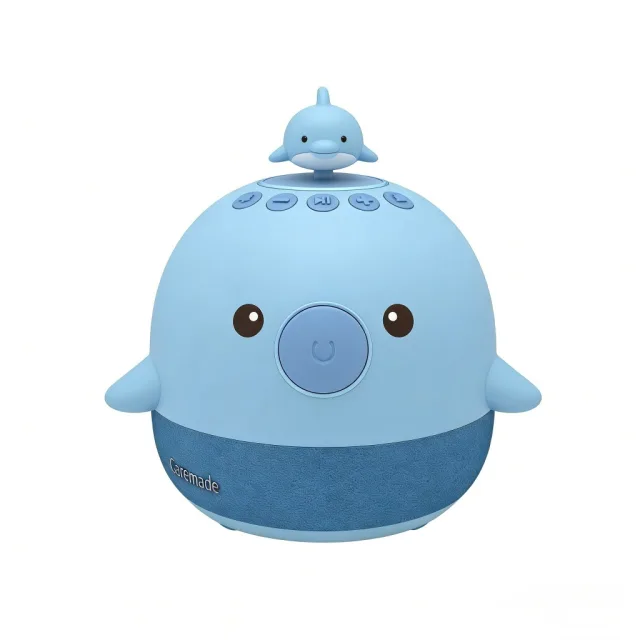
Buttons, files, storage and binding constraints resolved before pilot printing.
Review the decision pathIndexability gate
Indexing requires engineer-reviewed notes, audio demonstrations, module comparisons, file maps, acoustic examples and a real system case.
Prepare a better brief
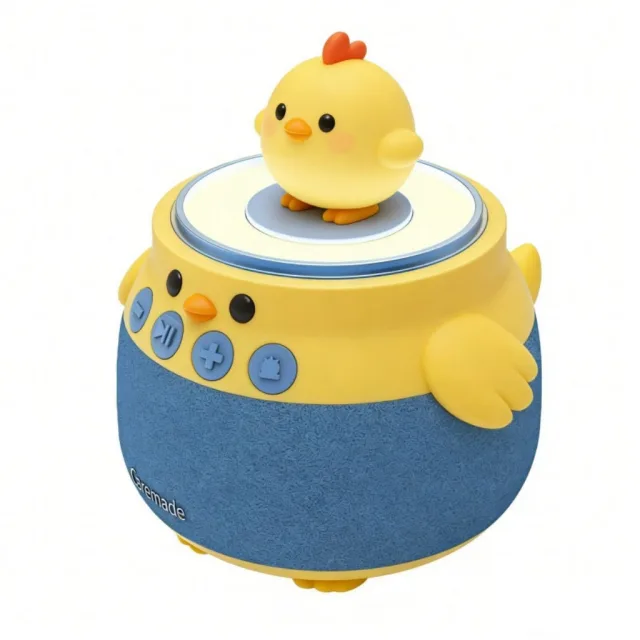
Estimate assets and memory with assumptions visible.
Use this resource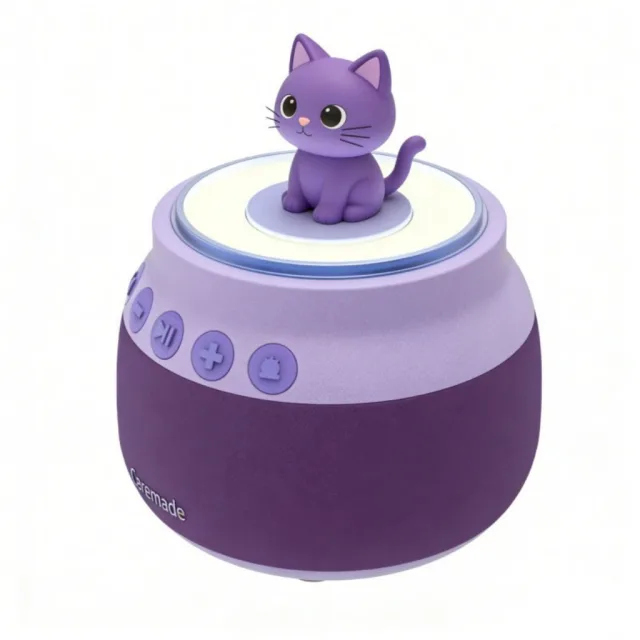
Keep scripts, files, languages and firmware IDs aligned.
Use this resource
Review speaker, mic, openings, cavity and material effects.
Use this resourceNo. Codec, bitrate, file overhead, firmware, update method and hardware capacity require engineering confirmation.
Only when included in the reviewed scope with clear script, voice, pronunciation and approval ownership.
Materials, openings, cavity, filling and assembly change loudness, frequency response and microphone behavior.
File version, programming, trigger mapping, speaker output, controls and microphone behavior where applicable.
A standard-platform sample may take roughly 7 to 14 days after requirements and files are approved. Custom tooling, electronics, firmware or complex mechanisms receive a project-specific schedule after feasibility.
Your brand, characters, artwork and content remain yours. Ownership of paid custom deliverables is defined in the signed agreement, while Chloe Toys retains its pre-existing tools, reusable technology and manufacturing know-how.
Who we build for
These teams bring us their products and we engineer the audio that goes inside them.





















Common question
Treat it as one system rather than a module you drop in, because the audio content, storage, signal path, enclosure acoustics and production test all depend on each other. Start by settling finished minutes per language, trigger method, speaker and microphone needs, product form and power, since those determine the module and memory required. In a plush body the acoustics are the hard part, as filling and fabric sit between the speaker and the listener. Prove the result in the real product form rather than on a bench before committing to tooling.